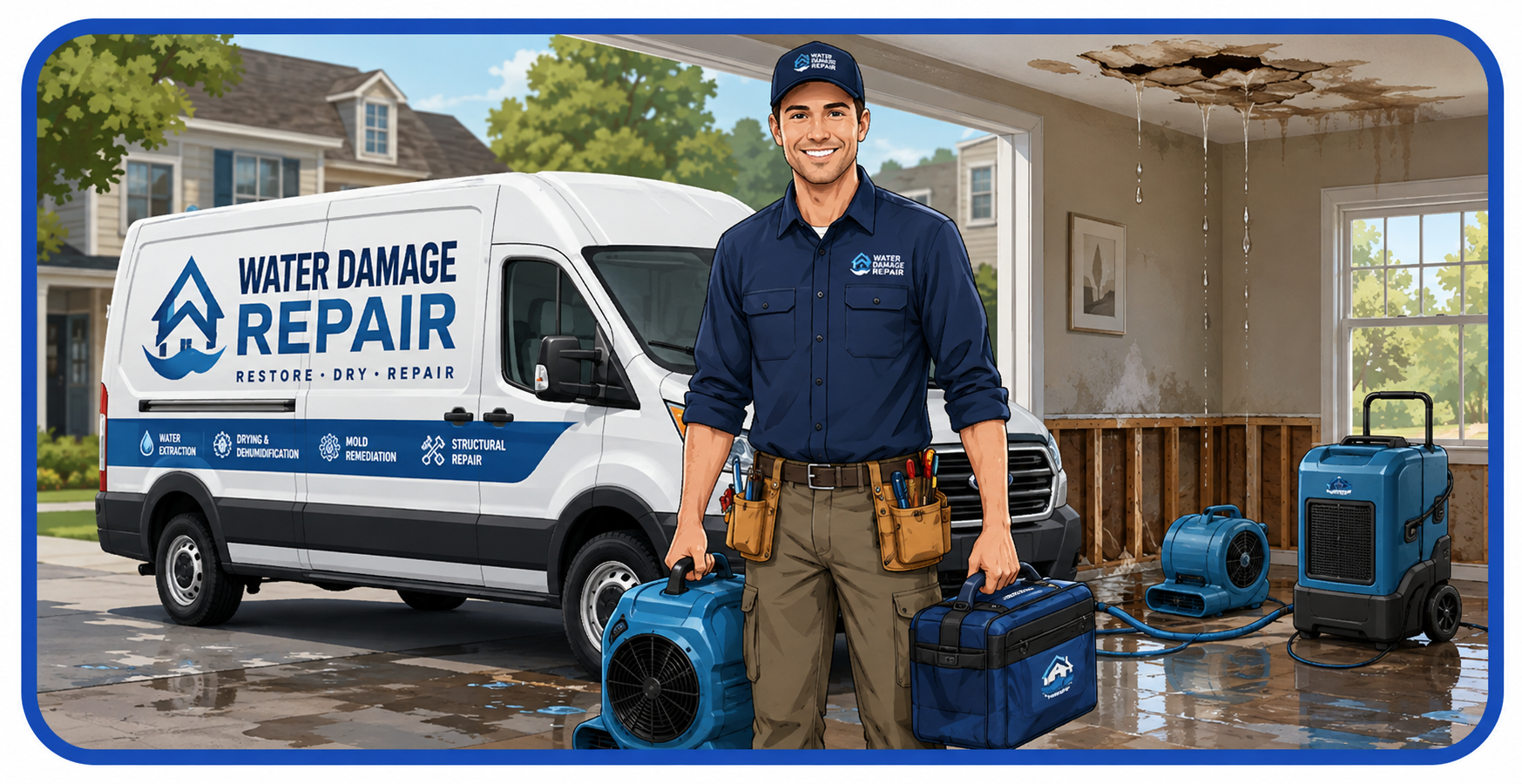
A sewage backup isn't a job for a mop and bucket. Our Sewage Cleanup crews arrive in full PPE, classify the contamination, and follow IICRC S500 blackwater protocols from the first step.
Call +1-844-833-1325 Now
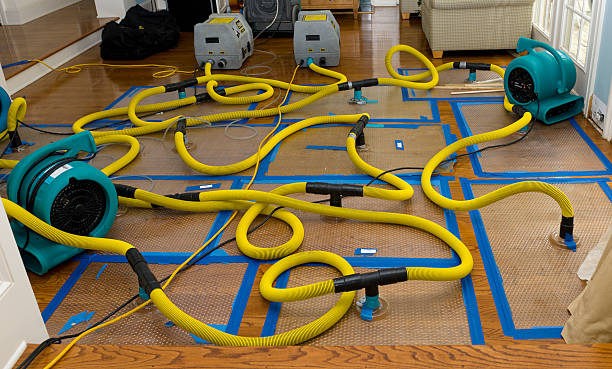
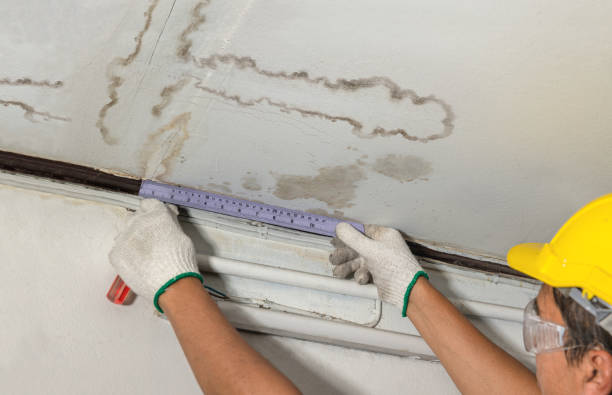
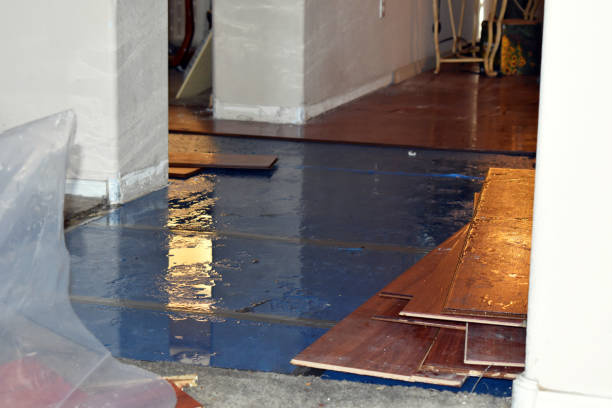
The decision to remove a material rather than dry it in place isn't a cost-cutting call on a sewage job — it's a safety standard, since porous materials that contact blackwater can't be fully sanitized no matter how long you dry them.
We'd rather explain the sewage cleanup process in plain terms upfront than have you find out the hard way what a shortcut costs later.
These four things matter together, not in isolation — certification, speed, honest pricing, and the right equipment are what actually change the outcome of a sewage cleanup call.
None of these standards are unique to us in theory, but they're worth confirming before you let anyone start sewage cleanup work on your property.

S500 protocol governs PPE, containment, and disposal on every Category 3 call we handle.
We isolate the affected zone before starting any removal to limit cross-contamination.
Disposal documentation is provided as part of the job record.
We treat contamination calls with urgency, since delay increases exposure risk.
We don't treat sewage cleanup as a single generic task — each part of the process below gets its own specific approach.

Water gets classified as Category 3 blackwater on arrival, which sets the entire response protocol.
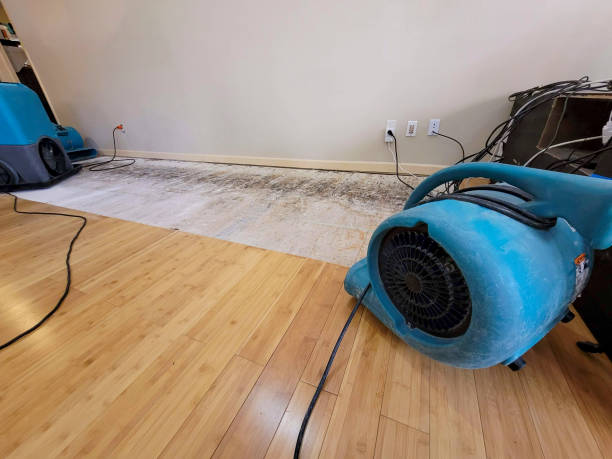
Extraction equipment dedicated to contaminated water keeps cross-contamination from clean-water jobs.
Porous materials can't be fully sanitized after blackwater contact, which is a safety call, not a cost-cutting one.
Disinfection follows removal of unsalvageable materials, covering every remaining surface in the affected zone.
Sewage odor gets treated at the source through disinfection and controlled airflow, not masked with fragrance.
Final verification includes both moisture and contamination checks before sign-off.
Four steps, no guesswork, from your first call to a verified sewage cleanup result.
Dispatch gathers just enough detail to load the right equipment before the truck leaves.
Local staging is what makes rapid arrival possible, rather than a promise with nothing behind it.
You approve the number before equipment turns on — no surprise invoice after the fact.
Work continues until the job meets our documented completion standard, verified before we call it done.


"They didn't rush the disinfection step even though it clearly slowed the job down."
Andre P., Hood"A main line backup hit our laundry room and they explained exactly why the flooring had to go."
Naomi F., Hood"They handled the contamination classification and disposal documentation for our insurance claim without us having to ask."
Katrina L., Hood"They kept our family away from the affected zone until it was actually safe again."
Preston G., Hood"A rental property backup happened while our tenant was away and they coordinated everything with us remotely."
Victor N., Hood"A backup in our restaurant kitchen got same-day response given the health code concerns, and they understood the urgency immediately."
Grace T., HoodThese are the questions we hear most often about sewage cleanup, gathered from real calls, not a generic template list.

Aqua Guard Water Damage dispatches sewage cleanup crews throughout Hood and the surrounding zip codes, including 95639.
Coverage extends past the immediate area, so an outlying Hood address isn't treated as a lower priority for sewage cleanup.